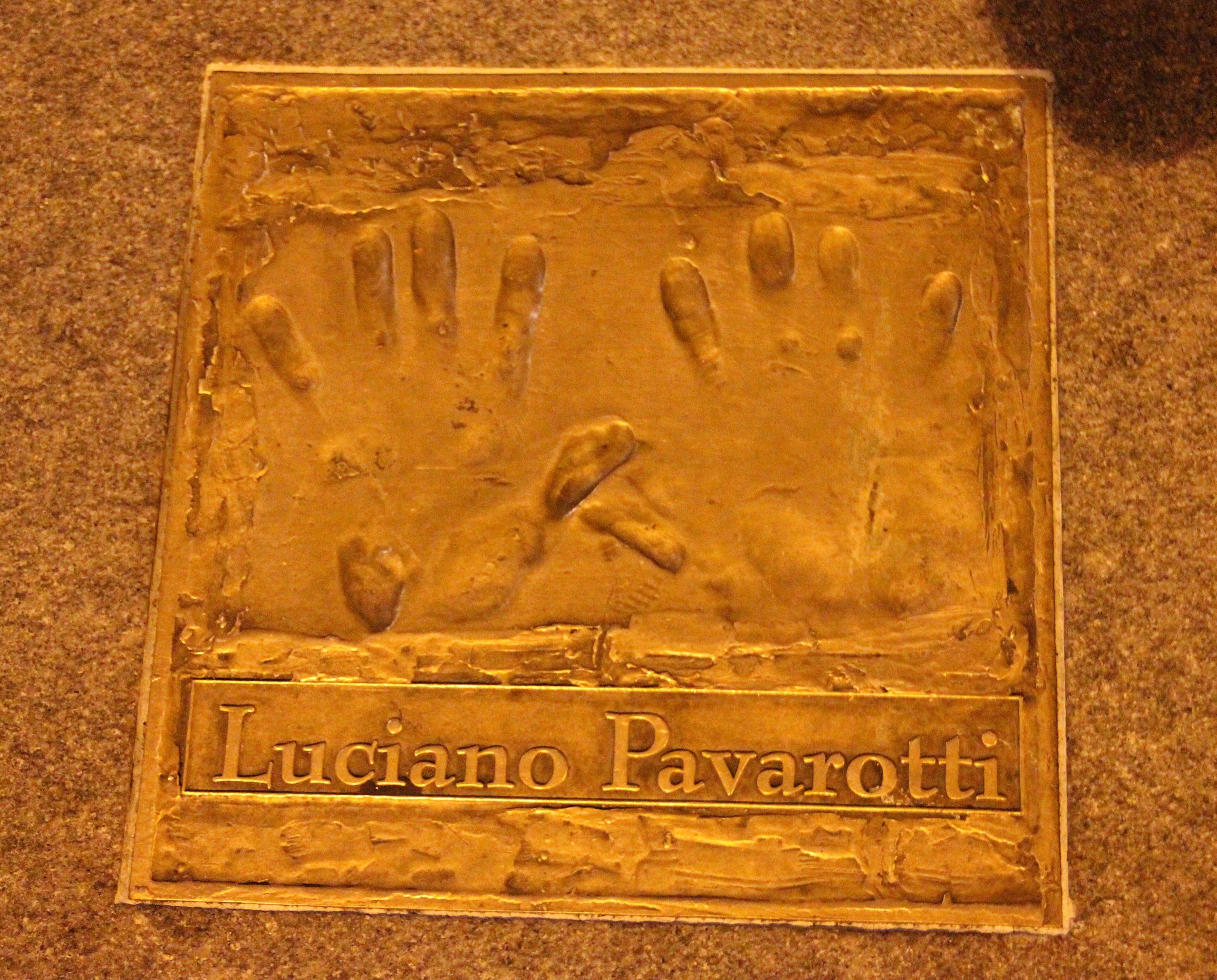
Research note: Biographical and discographical information can change over time. Check important details against reliable primary or authoritative sources.
Luciano Pavarotti was an Italian operatic tenor whose clear, ringing voice and open, engaging performance style made him a major figure in opera and a familiar name far beyond the opera house. He was admired for the ease and brilliance of his upper register, particularly in the demanding high notes of Italian repertory. His stage work, recordings and large-scale concerts helped introduce opera to listeners who might not otherwise have encountered it.
Pavarotti’s career joined traditional operatic roles with an unusually broad public presence. He performed works by composers including Gaetano Donizetti, Giuseppe Verdi and Giacomo Puccini, while recordings and televised performances brought arias such as “Nessun dorma” to audiences worldwide. He also became part of the Three Tenors, alongside Plácido Domingo and José Carreras, and created benefit concerts that paired opera with popular music.
This profile of the legendary Italian tenor is part of MusicWikiBio’s Singers coverage.
Early life and musical training
Luciano Pavarotti was born in Modena, Italy, on October 12, 1935. His father, Fernando, was a baker and an amateur tenor, and music was part of the family’s everyday life. As a boy, Pavarotti sang in a local choir with his father. He initially considered several paths outside music, including a career in football, and trained as a teacher before committing himself to singing.
He studied voice with Arrigo Pola in Modena and later continued his training with Ettore Campogalliani in Mantua. Pavarotti worked as an elementary-school teacher for a period while developing his vocal skills. In 1961, he won an international singing competition in Reggio Emilia. That success led to his professional operatic debut as Rodolfo in Puccini’s La bohème at the city’s Teatro Municipale.
Opera career and major roles
Rodolfo became one of Pavarotti’s defining roles. The character’s youthful lyricism suited the tenor’s natural warmth, while Puccini’s melodies gave him room to show both tenderness and vocal brilliance. He returned to the role throughout his career, including at important houses outside Italy.
Pavarotti’s international profile grew quickly in the 1960s. In 1963, he appeared at London’s Royal Opera House as Rodolfo, stepping in for the tenor Giuseppe Di Stefano. He made his United States debut in Miami in 1965, singing alongside soprano Joan Sutherland in Donizetti’s Lucia di Lammermoor. Their artistic partnership became an important part of his development and public reputation. He made his Metropolitan Opera debut in New York in 1968, again as Rodolfo.
His repertoire included several roles that demand a secure, agile tenor voice. In Donizetti’s La fille du régiment, he sang Tonio, a part famous for its sequence of high Cs in the aria “Ah! mes amis.” Pavarotti’s performance of the aria at the Metropolitan Opera in 1972 drew particular attention to his command of the upper register. The role became closely associated with his ability to deliver technically challenging passages with apparent ease.
Other prominent roles included Nemorino in Donizetti’s L’elisir d’amore, the Duke of Mantua in Verdi’s Rigoletto, Cavaradossi in Puccini’s Tosca and Calaf in Puccini’s Turandot. These parts show the range of his Italian operatic work, from the comic and romantic character of Nemorino to the more forceful drama of Calaf. He continued to return to La bohème, a work that remained central to his stage identity.
Voice and musical style
Pavarotti’s tenor was known for its bright, open sound, a strong upper register and a direct, expressive delivery. His voice could carry over an orchestra without losing its distinctive clarity. Listeners often recognized him by the way he shaped long melodic lines and placed high notes with apparent freedom. His approach made technically demanding music feel immediate rather than remote.
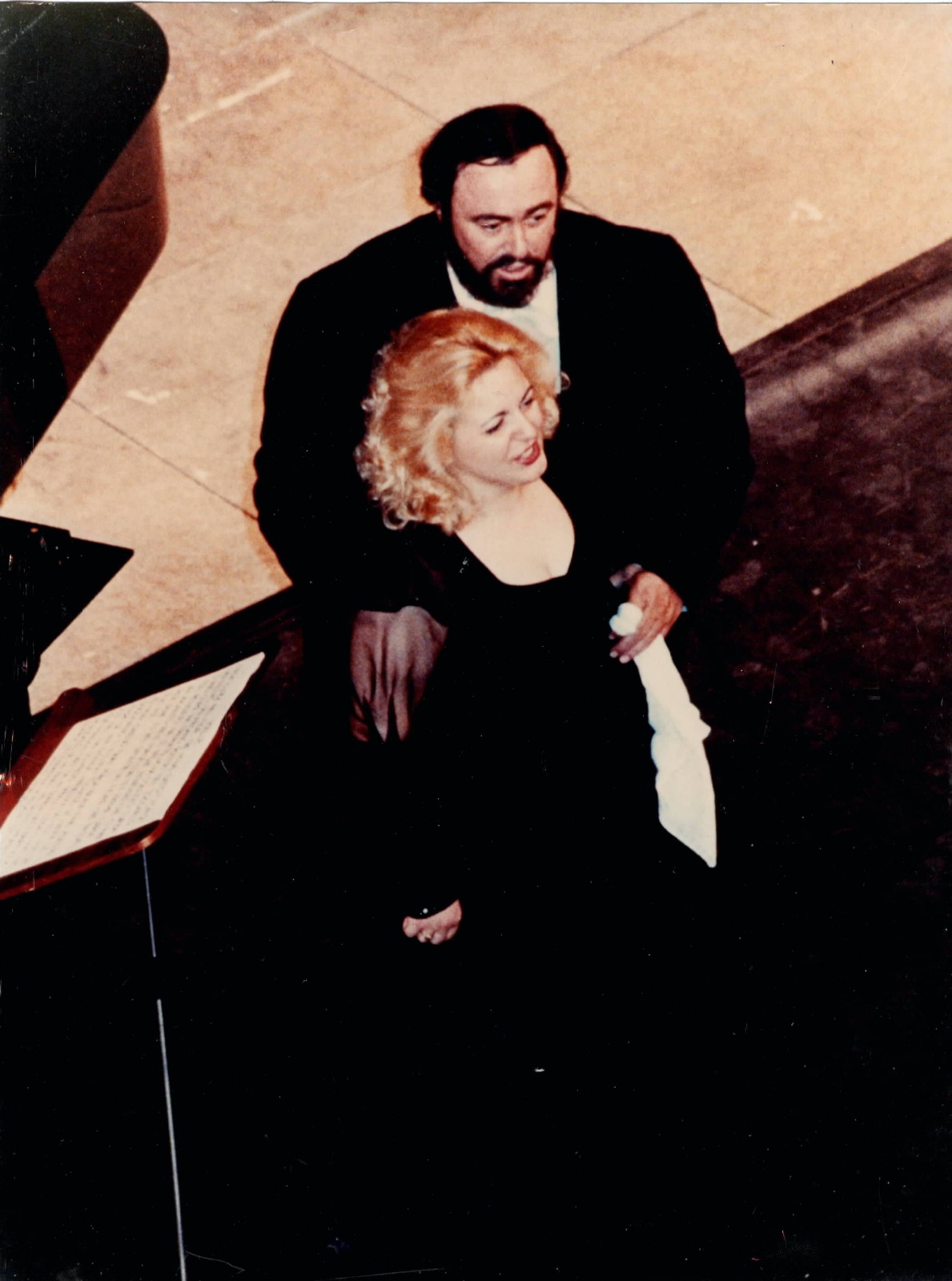
He was particularly associated with the Italian repertory of bel canto and the nineteenth- and early twentieth-century opera tradition. Bel canto places a premium on vocal agility, sustained tone and expressive phrasing; Pavarotti’s work in Donizetti and Bellini drew on those qualities. In Verdi and Puccini, his singing could bring a more dramatic intensity while retaining the clear, lyrical sound that defined his voice.
His style also depended on communication. Pavarotti was not only a powerful singer but an expressive performer who made melodies easy to follow. That accessibility helped him move between formal opera productions, concert halls and televised events without abandoning the musical traditions from which his career grew.
Signature arias and recordings
“Nessun dorma,” Calaf’s aria from Puccini’s Turandot, became Pavarotti’s most widely recognized signature. Its rising intensity and climactic final phrase suited his vocal strengths, and his performances helped make the aria familiar to a broad international audience. It became especially prominent during the 1990 FIFA World Cup period, when recordings and broadcasts connected the music with the tournament.
Other arias closely associated with Pavarotti include “La donna è mobile” from Verdi’s Rigoletto, “Una furtiva lagrima” from Donizetti’s L’elisir d’amore, and “Che gelida manina” from La bohème. These are operatic arias rather than songs written as stand-alone pop releases, but they have often circulated in recital, compilation and concert settings. Pavarotti also performed the traditional Neapolitan song “O sole mio,” reflecting his interest in music beyond the opera stage.
His recording career included complete operas and collections of arias and popular songs. Recordings allowed listeners to experience roles that might be available only occasionally in local opera seasons, while compilations brought well-known pieces together for a general audience. His work with the Decca label formed a substantial part of his recorded legacy. Across these releases, opera remained the foundation, even as his concerts increasingly crossed into popular and crossover programming.
The Three Tenors and a wider audience
In 1990, Pavarotti joined Plácido Domingo and José Carreras for a concert in Rome that brought the three singers together as the Three Tenors. Conducted by Zubin Mehta, the performance took place around the time of the FIFA World Cup in Italy. Its broadcast and recordings reached an audience far larger than a typical opera production, and the trio went on to perform together at further major events.
The Three Tenors concerts combined operatic repertory with familiar songs and showpieces. The format made the singers’ distinct personalities part of the appeal: Pavarotti’s expansive delivery and recognizable high notes were central to the group’s public image. The project helped bring classical vocal performance into stadiums and television broadcasts, while also prompting discussion about how opera could be presented to mass audiences.
Pavarotti pursued another form of musical outreach through Pavarotti & Friends, a series of benefit concerts held in his home city of Modena from 1992 to 2003. The events brought him together with performers from different musical backgrounds, including pop and rock. Rather than treating those appearances as a replacement for opera, the concerts placed his operatic voice in conversation with contemporary popular music and supported charitable causes.
Later years and legacy
Pavarotti’s fame rested on more than a handful of celebrated high notes. Over decades of stage work, he built a substantial repertory and became associated with major opera houses, international tours and recordings. His success demonstrated that an opera singer could maintain a traditional performance career while also becoming a prominent figure in global popular culture.
He announced his retirement from the operatic stage in 2004. Pavarotti died in Modena on September 6, 2007, at the age of 71. His legacy continues through recordings of his operatic roles, his signature arias and the concert projects that introduced his voice to new audiences. For many listeners, “Nessun dorma” remains an entry point to his work; for opera audiences, his performances as Rodolfo, Tonio and other Italian roles remain central to his reputation as one of the best-known tenors of his generation.
Further reading: Luciano Pavarotti.