Research note: Biographical and discographical information can change over time. Check important details against reliable primary or authoritative sources.
Kate Bush is an English singer, songwriter, musician and record producer whose work combines art pop with literary storytelling, theatrical performance and adventurous studio production. She became widely known in 1978 with “Wuthering Heights,” a self-written song that reached number one in the UK. Across albums such as The Dreaming, Hounds of Love and Aerial, Bush developed a sound that could move from concise pop songs to ambitious, connected musical sequences.
Her career is notable both for its musical range and for the control she gradually took over her recordings. Bush writes much of her own material, sings and plays keyboards, and has produced the majority of her albums. Her influence is often associated with art pop and progressive music, but her songs have also reached a broad pop audience. She is covered in our guides to singers, songwriters and producers.
Early life and first recordings
Bush was born in Bexleyheath, then in Kent, England, on 30 July 1958. She grew up in East Wickham and began writing songs while still young, developing her musical ideas at the piano. Her early compositions already showed an interest in unusual narrative viewpoints and dramatic characters—qualities that would become central to her work.
In 1974, guitarist David Gilmour of Pink Floyd helped her make professional demo recordings after hearing her material. The demos brought her to the attention of EMI, which signed her while she was a teenager. Rather than rush an album out immediately, the label gave her time to develop her songs and performance skills. Bush recorded her debut album in 1975, though it was not released until 1978.
Breakthrough with The Kick Inside
The Kick Inside, Bush’s first album, appeared in February 1978. Its lead single, “Wuthering Heights,” was inspired by Emily Brontë’s novel and told the story from the perspective of Catherine Earnshaw. Bush’s high, expressive vocal and the song’s unusual dramatic approach set it apart from contemporary chart pop. It reached number one on the UK singles chart, making Bush the first woman to top that chart with a self-written song.
The album also included “The Man with the Child in His Eyes,” an early composition that showed a more reflective side of her songwriting. Its success established Bush as an unusually young artist with a distinct creative identity rather than simply a vocalist interpreting material written by others. The record’s blend of piano-led writing, artful arrangements and direct pop hooks became a foundation for her early work.
Her second album, Lionheart, followed later in 1978. Although released in the same year as her debut, it included songs written at different points in her development. “Wow” became one of its best-known tracks. Bush later took greater responsibility for the sound and production of her albums, but these first releases introduced her as a songwriter whose records were built around her own musical and theatrical vision.
Developing as a producer
On Never for Ever (1980), Bush worked as a producer alongside Jon Kelly. The album brought together accessible songs and more unusual arrangements, and included “Babooshka” and “Army Dreamers.” It became the first album by a British female solo artist to reach number one on the UK Albums Chart. The achievement marked a significant career milestone as Bush’s public profile grew alongside her creative independence.
With The Dreaming (1982), Bush took the lead as producer for the first time on an entire album. Its dense, experimental sound made extensive use of studio effects, varied vocal performances and unconventional rhythms. Songs such as “Sat in Your Lap” and “Suspended in Gaffa” reflect the album’s restless character. Rather than follow the polished structures of mainstream pop, Bush used the recording studio as a compositional tool, shaping songs through layers of sound and contrasting moods.
This growing production role is central to understanding her career. Bush was not only writing melodies and lyrics; she was making decisions about arrangement, atmosphere and how individual tracks worked together. Her approach helped establish the album as a space for extended ideas as well as standalone singles, a quality that links her work with progressive music while remaining rooted in pop songwriting.
Hounds of Love and major songs
Hounds of Love (1985) brought together Bush’s experimental instincts and some of her most widely recognized songs. The album’s first side contains individual tracks, including “Running Up That Hill (A Deal with God),” “Hounds of Love” and “Cloudbusting.” Its second side, titled “The Ninth Wave,” forms a connected sequence of songs about a person lost at sea and moving through a series of visions and experiences.
“Running Up That Hill” became one of Bush’s signature recordings. Its driving rhythm and layered production support a lyric about the desire to understand another person by exchanging places with them. “Cloudbusting,” meanwhile, draws on the story of Wilhelm Reich and his son Peter, while “Hounds of Love” turns fear of emotional attachment into a vivid pop performance. Together, the tracks show how Bush could create memorable singles without giving up complex imagery or carefully constructed album concepts.
The album was both a critical and commercial success, strengthening Bush’s position as an artist with unusual control over her music. Its songs have continued to find new audiences. In 2022, “Running Up That Hill” experienced a major resurgence after its use in the television series Stranger Things, introducing the recording to many listeners who had not encountered it when it was first released.
Later albums and changing forms
The Sensual World followed in 1989. Its title track, “This Woman’s Work” and “Love and Anger” show Bush working with a fuller, carefully layered studio sound. “This Woman’s Work,” first heard in the film She’s Having a Baby, became one of her best-known ballads. Across the album, she combined direct emotional writing with detailed arrangements and a wide range of instrumental textures.
Her next studio album, The Red Shoes, was released in 1993. It includes “Rubberband Girl,” “Moments of Pleasure” and “And So Is Love.” Bush also wrote, directed and starred in the short film The Line, the Cross and the Curve, which drew on songs from the album. After this period, she largely withdrew from public activity while continuing her life and work away from regular recording and touring.
In 2005, Bush returned with Aerial, her first studio album in twelve years. It is arranged as two sections: A Sea of Honey and A Sky of Honey. The latter develops a sequence of songs around the passage of a day, with birdsong and changing light among its recurring ideas. “King of the Mountain” was the album’s lead single. The record’s patient pacing and connected structure showed that Bush’s interest in long-form album design had continued.
In 2011, she released two contrasting projects. Director’s Cut revisited and reworked songs from The Sensual World and The Red Shoes, while 50 Words for Snow consisted of new material shaped around wintry settings and extended musical forms. The latter includes a title-track performance with Elton John. These releases demonstrated her continuing interest in revisiting earlier work as well as creating songs that allowed space for atmosphere and narrative.
Collaborations, performance and legacy
Bush’s most prominent guest vocal performance is on Peter Gabriel’s “Don’t Give Up,” from his 1986 album So. Their duet places her voice in a conversational role, distinct from the character-led performances on many of her own records. She has also worked with a range of musicians on her albums, while keeping her own songwriting and production vision at the centre.
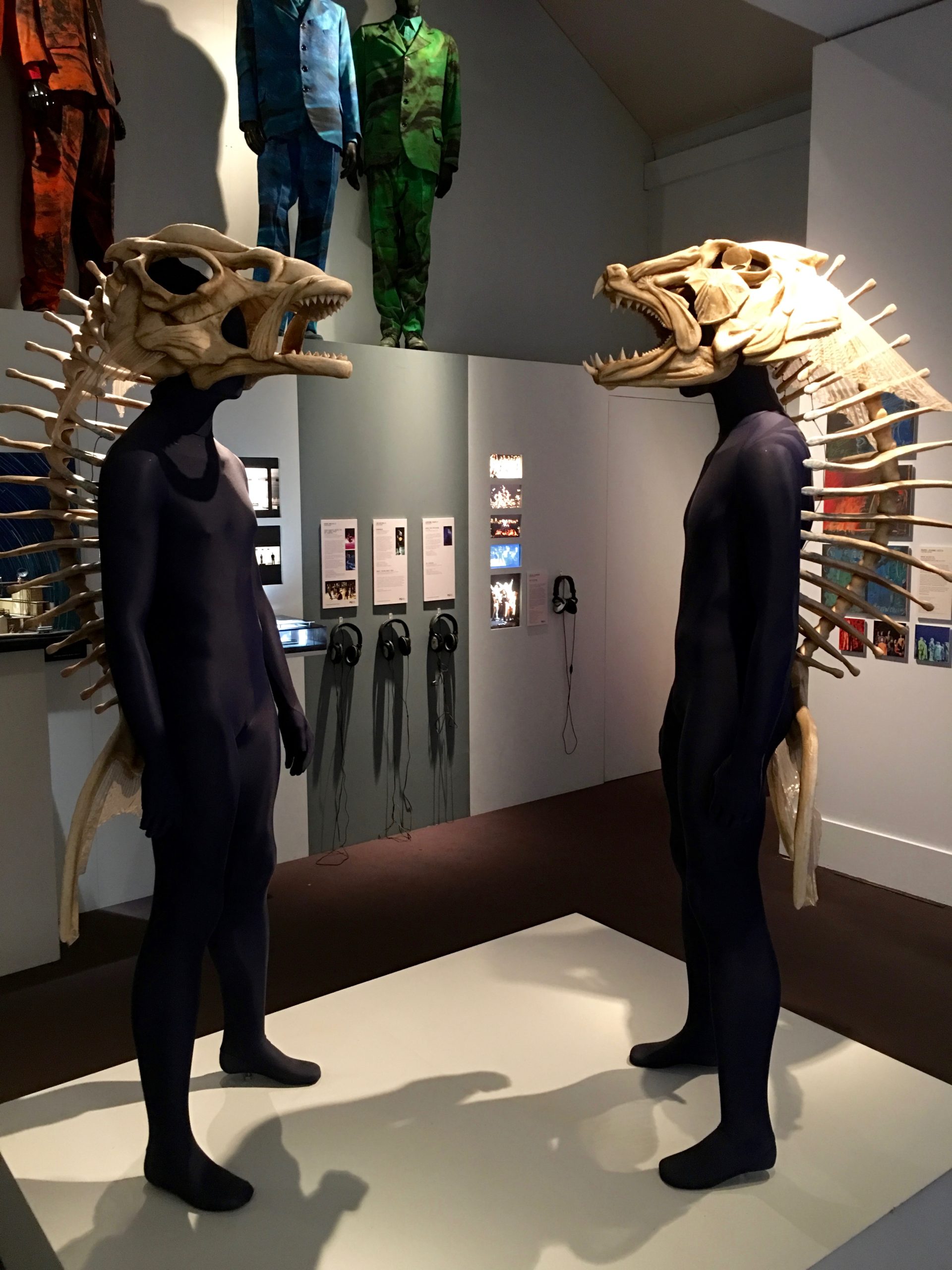
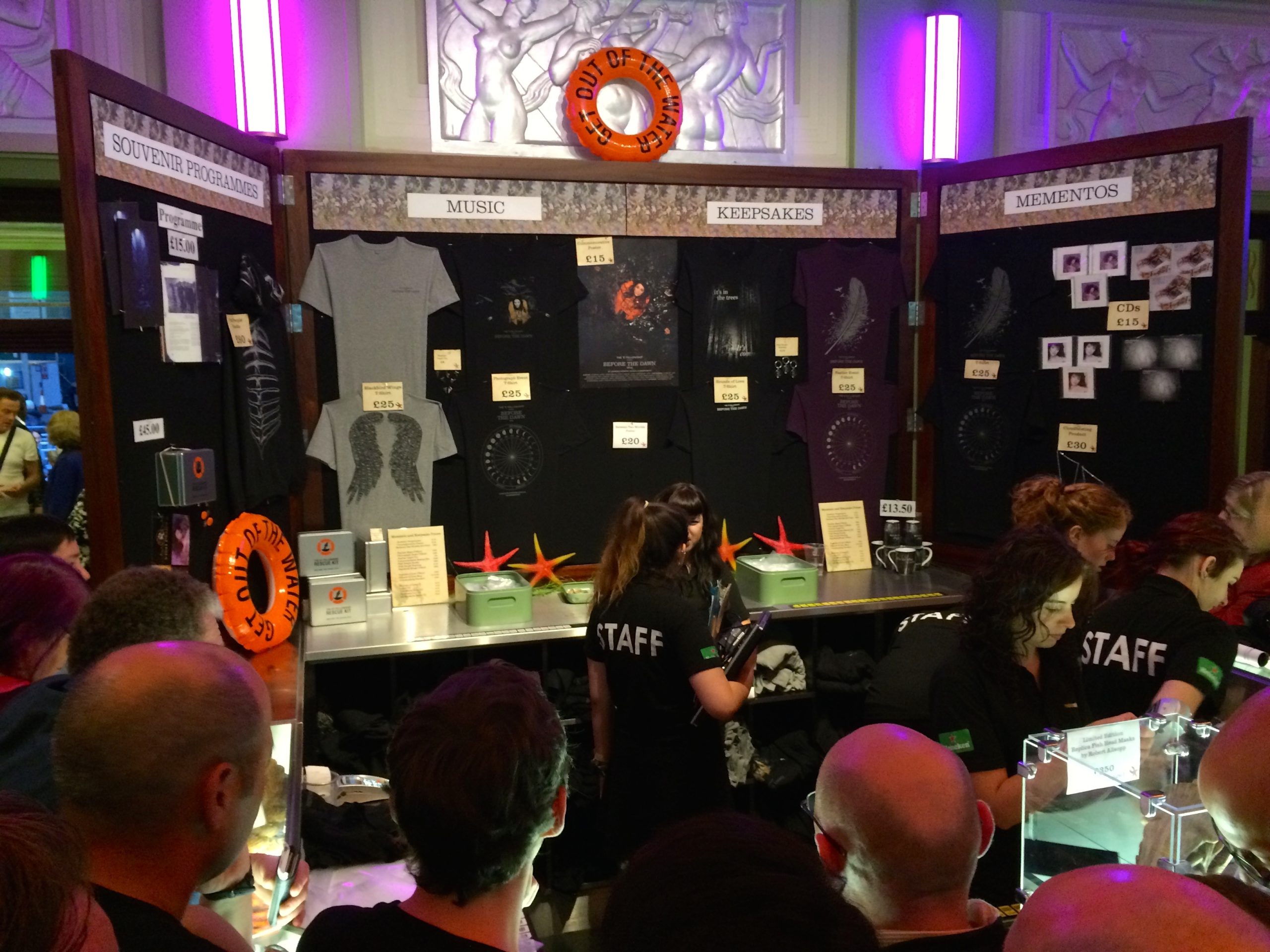
Her live history is unusually selective. Bush’s 1979 Tour of Life was her only concert tour for decades. In 2014, she returned to the stage for a run of performances at London’s Hammersmith Apollo, her first live shows since that tour. The performances were later documented on the live album Before the Dawn, released in 2016. The concerts drew on songs from across her career and included substantial theatrical and visual elements.
Kate Bush’s significance rests on more than a small number of enduring singles. She brought literary and cinematic ideas into pop songwriting, used vocal character and movement as expressive tools, and treated production as part of composition. Her work ranges from immediate songs such as “Wuthering Heights” to the extended structures of “The Ninth Wave” and A Sky of Honey. As a singer, songwriter and producer, she built a distinctive body of work on her own terms and remains an important figure in English art pop.
Further reading: Kate Bush.